
Educational
5 Signs Your Business Is Losing Customers Because of Poor Follow-up
It's not that you lack leads. It's that the ones you already have slip away. Here are the most common signs and what to do about each one.
Lead capture, follow-up and AI automation, explained for business owners, not developers. No filler, with real examples of what it looks like in practice.
It's not that you lack leads. It's that the ones you already have slip away. Here are the most common signs and what to do about each one.

This is what it looks like in practice when a high-message-volume aesthetics business gets its response and follow-up in order.

It's not a better product or a bigger budget. It's that they treat every customer message as a real opportunity.

This is what careful, respectful follow-up looks like in a process where deciding takes time and questions carry different weight.

Response speed is one of the biggest factors in whether a customer buys from you or from the next business that answers.

This is what it looks like in practice when an emergency-service business gets its response in order to win the job first.
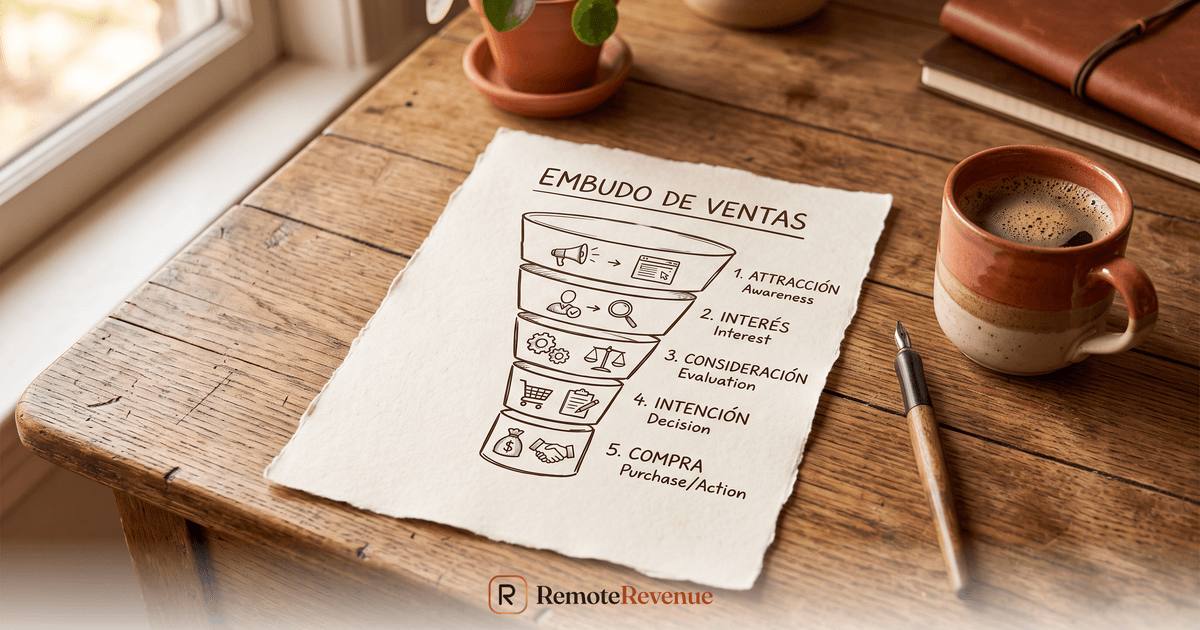
Explained without jargon: what each stage of a sales funnel does and where artificial intelligence fits in.

This is what it looks like in practice when a full-calendar business with too many no-shows fixes its reminders.

Before buying any tool, it's worth being clear on what problem each one solves and which you need first.

This is what it looks like when the silence after a good first consultation causes interested patients to never come back.

This cost never shows up on an accounting report, but you can estimate it with your own numbers in minutes.

This is what it looks like in practice when a restoration business keeps the customer informed during the insurance wait.

Three practical signs to know if your business has reached the point where automating follow-up makes sense.

This is what it looks like in practice when an agency organizes follow-up for a decision process that can take months.