How a Damage Restoration Company Stopped Losing Customers While Waiting on the Insurer
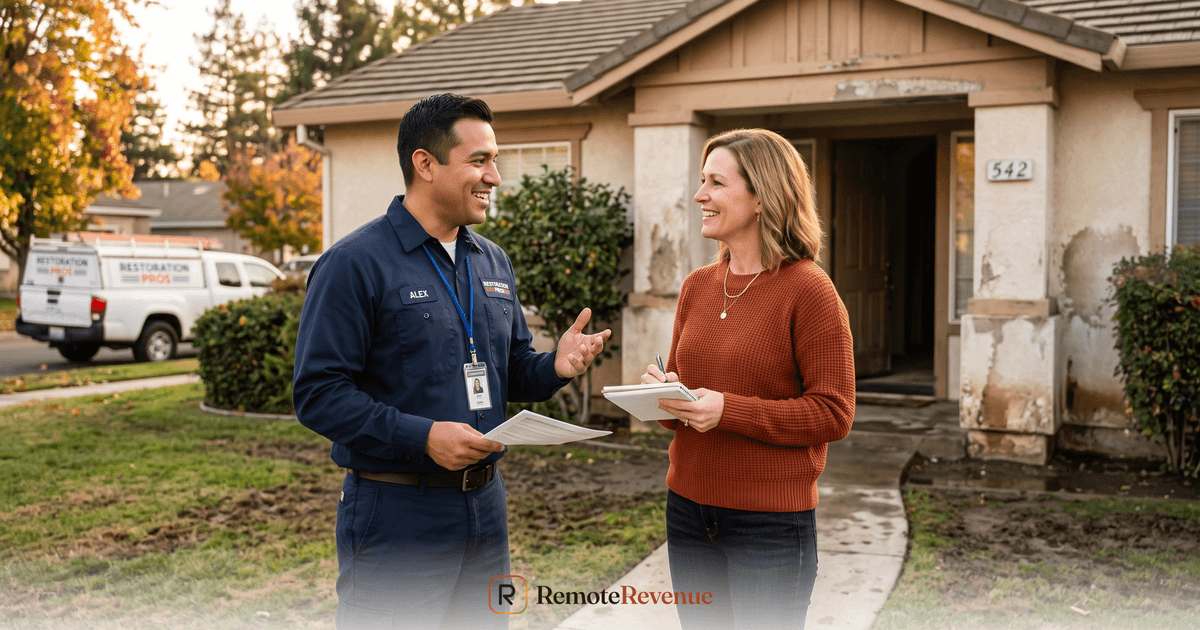
The following is a composite scenario, built from known patterns in the damage restoration industry. It does not correspond to a specific company, but rather to how this problem (and its solution) looks in practice.
Picture a damage restoration company that already won the first contact: it arrived quickly, did a good initial assessment, and the customer was satisfied. The problem shows up at the next stage, when the work depends on approval from an insurance company and the process stalls for days while the paperwork gets resolved.
The starting point: the insurance process leaves the customer in silence
During that waiting period, it's common for the restoration company to simply say nothing until there's concrete news from the insurer. From the business's perspective this makes sense: there's nothing new to report. From the customer's perspective, still living with unresolved damage in their home, that silence feels like abandonment, regardless of the fact that the delay isn't technically the restoration company's fault.
Why that silence is dangerous
A customer who doesn't hear anything for several days naturally starts looking for alternatives or doubting whether they hired the right company. Some even cancel and look for another company that gives them the feeling of being more attentive, even though the new provider faces exactly the same delay with the insurer. The problem isn't the wait time itself, it's the absence of communication during that time.
What changed: scheduled communication during the wait
The fix doesn't speed up the process with the insurer, that's outside the business's control. What does change is the customer's experience during the wait:
- Scheduled messages every few days confirming the case is still active, even when there's no real news from the insurer.
- Clear information about what stage the case is at, so the customer understands what's happening and why.
- A direct, fast channel for the customer to ask questions at any time, without feeling like they have to chase the company down for information.
- Immediate notice as soon as there's real news, so the customer feels their case is being closely tracked, not sitting forgotten on a waitlist.
The same principle at other waiting stages
This problem isn't exclusive to the insurance process. Any stage of the service where the customer is left waiting without news (waiting for a part, waiting on equipment availability, waiting for a quote to be approved) carries the same risk. The solution is the same in every case: scheduled communication that doesn't depend on someone remembering to write, and that arrives even when the only news is "still waiting, this is normal."
Who should send these messages and in what tone
An important detail is that these follow-up messages during the wait shouldn't sound like a cold automated notification. Ideally they should be presented under the name of the technician or project coordinator assigned to the case, with a warm tone, as if that person were staying on top of things the whole time, even though the send is scheduled. This reinforces the feeling that a real person is following the case, which is exactly what you want to convey during a wait the business can't shorten.
How often it's worth writing during the wait
There's no single correct frequency, but a useful reference point is aligning messages with the natural moments of the process: when documentation is sent to the insurer, when a week passes without a reply, when news finally arrives. Writing more often than necessary can feel intrusive; writing less than necessary brings back the same feeling of abandonment you were trying to avoid. The right balance is usually found by adjusting the frequency during the first few cases and watching how the customer responds.
What changes on the business side
The main change is that fewer customers cancel or look for another option during the wait, simply because they felt supported instead of ignored. This matters especially in a high-ticket business like damage restoration, where losing an already-won customer during the waiting stage represents a much bigger loss than in lower-ticket businesses. This same principle, quantified, is explained in the real cost of skipping follow-up.
Are you losing customers during the waiting periods of the process?
Book a free 20-minute diagnosis and we'll review where the customer goes cold while waiting.