Why Responding Fast Multiplies Your Sales (Without Living Glued to Your Phone)
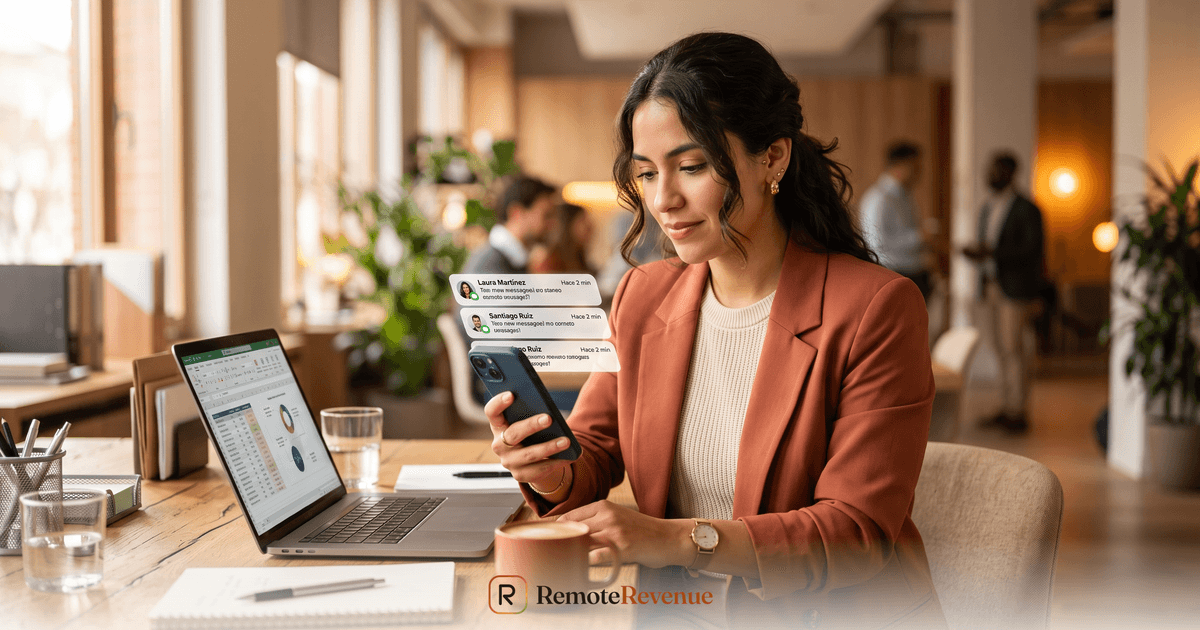
When someone writes to you interested in your service, they aren't just waiting on your reply. In most cases, especially if the service is urgent or there are several similar options available, that person also wrote (or is about to write) to another business. Whoever responds first with something useful usually keeps the conversation, and often the sale. This pattern repeats across very different industries, even though the exact figures vary by source and sector: whoever answers first has a real edge over whoever answers later, even if their offer is practically identical.
The time window in which the customer decides
There's a short window, right after someone asks a first question, when their interest is at its peak. If they get a useful reply in that moment, they're far more likely to keep the conversation going with you. If that window closes without a response, the interest doesn't vanish instantly, but it starts spreading across other options, and every hour that passes lowers the odds they'll end up buying from you.
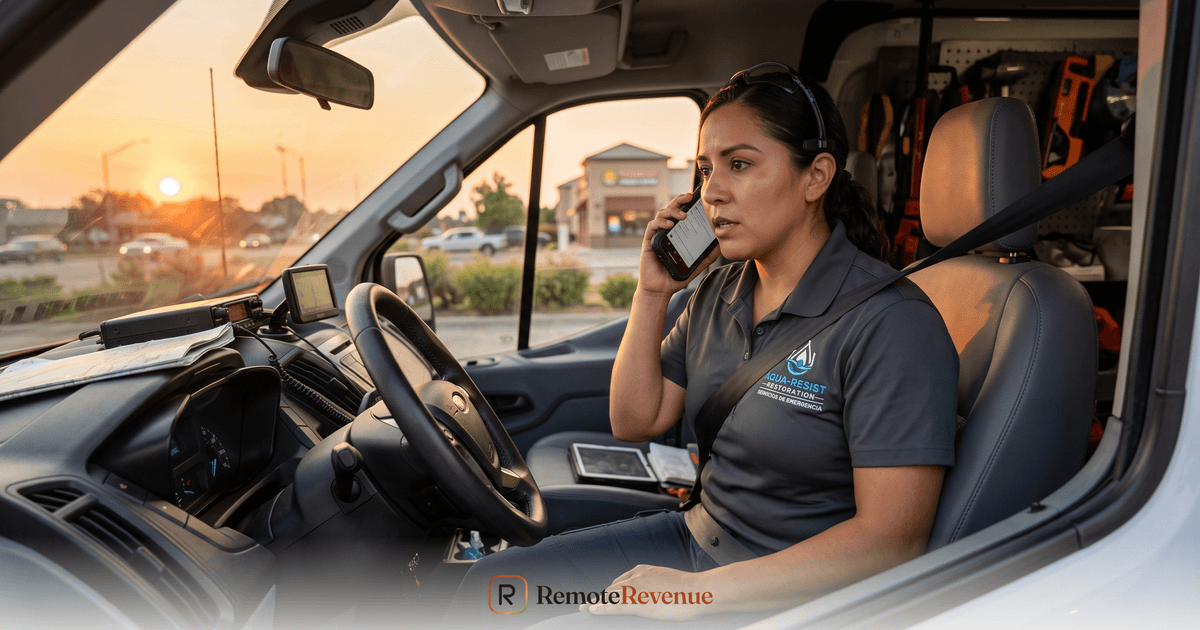
This doesn't apply equally to every business. In emergency services (a burst pipe, a broken lock, a medical need) that window can be minutes. In longer decisions (a consultation, a quote for a professional service) it can be hours or a couple of days. But in every case, the window exists, and it closes.
Why "always being available" isn't the answer
The obvious answer seems to be "you have to always be watching your phone." In practice, that isn't sustainable or healthy for whoever runs a business. Being available 24 hours a day isn't a system, it's a patch, and sooner or later it fails: a weekend, a night off, a moment spent helping another customer in person. The real solution isn't for one person to always be available, it's for the business to always have a reply ready, whether or not that same person delivers it.
How to automate speed without losing personalization
This is where artificial intelligence solves a concrete problem: it can reply instantly, at any hour, with real, useful information about your business, while the person behind the business is still asleep, helping another customer, or simply living their life. This doesn't replace the personal touch, it makes it possible: by the time the human team steps into the conversation, there's already context, the basic questions are already resolved, and that person can spend their time closing instead of on the repetitive tasks of the first replies.
The key is that first automated reply shouldn't feel generic. It should sound like your business, use real information about what you offer, and make clear that a human is still behind the conversation.
What to do when you can't reply yourself
If your business depends on you (or a single person) answering every message, you already have a natural growth ceiling: you can only handle as many conversations as you have hours available. The way to break that ceiling isn't to work more hours, it's for the first reply and basic follow-up to stop depending exclusively on one person, so your time can concentrate on the conversations that truly need your judgment.
How fast is "fast" in practice
There's no universal magic number, but there is a practical rule: the more urgent the customer's need, the shorter your response window needs to be. In an emergency service, minutes make the difference. For a professional service inquiry decided calmly, a few hours is still acceptable, but a full day already starts working against you. The simplest way to know if your business responds fast enough is to measure it: look at your last twenty conversations and note how long the first reply took in each one. That number, more than any gut feeling, will tell you if you have a real problem.
And if you don't like the number, the good news is that fixing it doesn't depend on hiring more people, it depends on the first reply no longer waiting for someone to be free.
If you want to see this principle applied to a business where speed literally decides who gets the job, this case of a damage restoration company that started beating the competition by responding first shows what it looks like in practice.
Do you know how long your business takes to respond today?
Book a free 20-minute diagnosis and we'll measure it together.