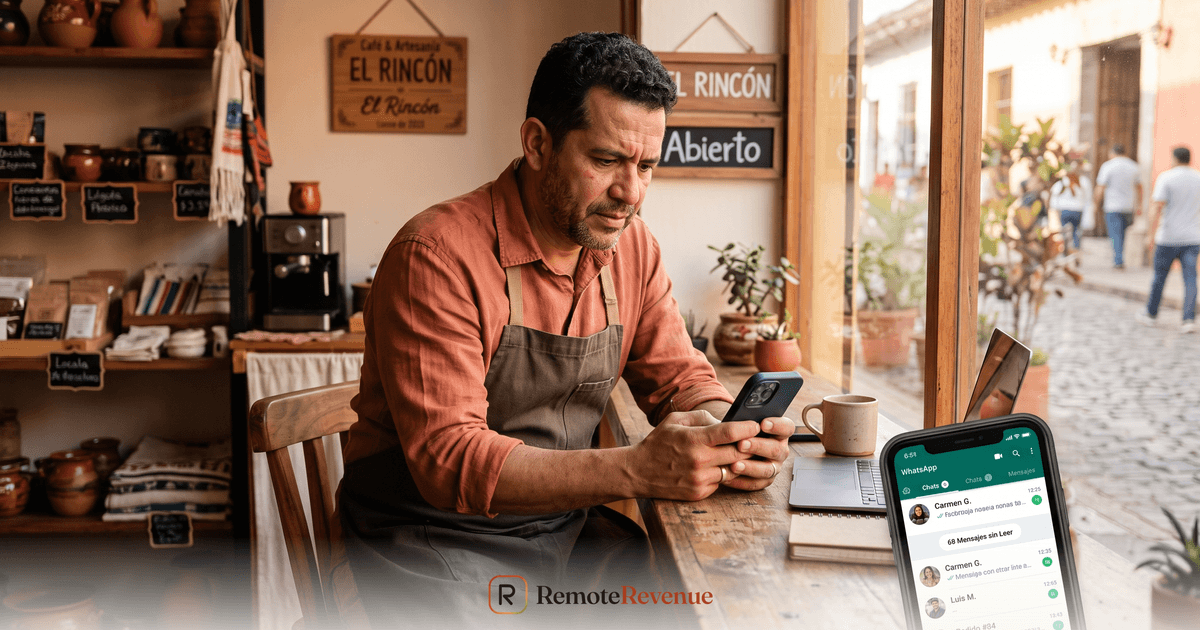
How a Medspa Stopped Losing Leads Coming In Through WhatsApp and Instagram
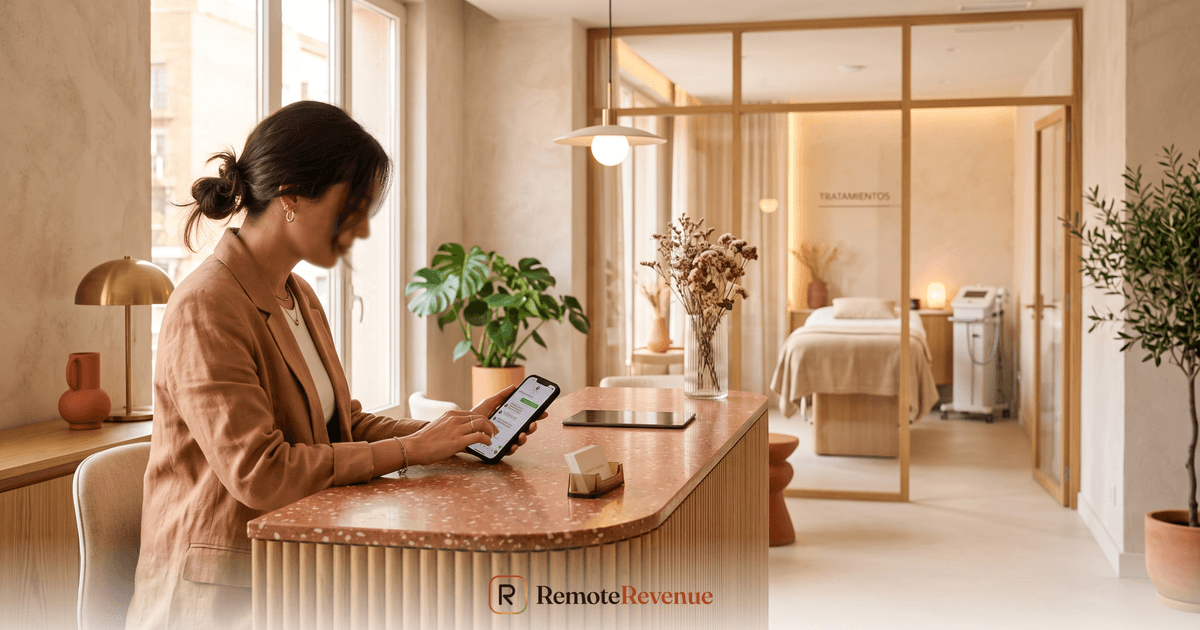
The following is a composite scenario, built from patterns that repeat across aesthetics businesses with a high volume of messages. It does not correspond to a specific client, but rather to how this problem (and its solution) looks in practice.
Picture a medspa that invests steadily in Instagram ads for its botox, hyaluronic acid, and laser hair removal treatments. The investment works: messages come in all day asking about prices, availability, and results. The problem isn't a lack of interest. The problem is everything that happens after that first message.
The starting point: lots of interest, few appointments booked
In a business like this, it's normal to get dozens of messages a day spread across WhatsApp, Instagram, and phone calls. When all that volume depends on a receptionist checking every inbox between patients, something gives: messages that arrive mid-session and get answered hours later, repeated questions about pricing and aftercare that eat up time, and above all, people who ask, don't get an answer in time, and simply message the clinic next door.
What shows up first isn't a complaint. It's that the number of booked appointments doesn't grow at the same pace as the number of incoming messages. Ad spend stays the same or increases, but the calendar doesn't reflect that effort.
Why this type of business loses so many leads
Looking closely at a case like this, the same three blind spots almost always show up:
- The first reply takes too long. If someone writes at 9pm asking about a treatment and the reply arrives the next morning, they've very likely already decided somewhere else.
- There's no second contact. Someone asks the price, says "I'll think about it," and that's where the conversation ends. No one follows up days later with more information or to answer a lingering question.
- The same questions eat up the team's time. Treatment length, aftercare, whether it hurts, what's included in the session. Answering this manually dozens of times a day leaves less time for the conversations that are actually ready to book.
None of these three points is serious on its own. The problem is they compound: the time spent answering repeated questions is time not spent on the second contact with whoever said "I'll think about it," and that delay in the second contact is exactly what turns the slow first reply into a lost appointment. It's the same bottleneck seen from three different angles.
What changes: a simple response and follow-up system
The fix isn't hiring more staff or cutting ad spend. It's putting order into what's already happening. In practical terms, this usually looks like:
- An automatic first message that responds within seconds, even outside business hours, with basic information about the treatment they asked about.
- A conversational AI that handles repeated questions (duration, aftercare, ballpark pricing) and leaves the conversation ready for the human team to step in and close the booking.
- A single record for every interested person, with the stage they're at, so no one gets lost among dozens of open chats.
- A scheduled second and third contact for people who asked and didn't book, instead of letting that conversation die on its own.
None of this replaces the medspa's team. AI handles the repetitive part and makes sure no one goes unanswered; people are still the ones attending to, booking, and closing every appointment.
How this gets set up in practice
Order matters. Starting everything at once tends to create more confusion than results, so the typical rollout follows this sequence:
- Map the lead's journey. What questions they usually ask, what information they need before booking, and at what point a team member should step in.
- Connect the channel they already use. WhatsApp and Instagram, without asking anyone to switch platforms or learn something new.
- Set up the initial reply and FAQs, using the medspa's real information (treatments, duration, aftercare, ballpark pricing if applicable).
- Turn on scheduled follow-up for people who didn't book during the first conversation, with messages spaced out over time, not pushy.
- The team reviews and adjusts during the first few weeks, refining answers and catching new questions that weren't anticipated.
What changes on the business side
When this kind of adjustment is done well, the typical pattern isn't "double sales in a week." It's something simpler and more sustainable: the same ad spend starts converting better because fewer leads go cold from lack of response, the team stops wasting time answering the same thing over and over, and there's real visibility into how many people asked, how many booked, and how many fell somewhere in between. That last part, being able to see it in numbers, is what allows continued adjustment instead of operating blind.
Something less visible but just as important also changes: the sense of control. When the owner or manager no longer has to mentally carry the weight of who's still waiting on a reply, that time and energy go toward taking better care of whoever is already sitting in the treatment chair, which is, in the end, the part of the business no automation should ever touch.
Why this applies to any business with a high volume of messages
The medspa is just one example. The same pattern repeats in any local business where the volume of inquiries over WhatsApp or social media exceeds what one person can handle without something slipping: clinics, studios, appointment-based service businesses. If you recognize this situation, you'll probably also recognize some of the 5 signs you're losing customers because of poor follow-up.
What happens if this doesn't get fixed
What usually happens in practice isn't a sudden collapse. It's more like slow erosion: ad spend stays the same or rises, but the calendar doesn't grow at the same pace, and over time it becomes normal to accept that "not everyone who asks is going to book" without questioning how many of them were lost simply because of a slow reply or no follow-up. It's an invisible cost because it never shows up as an expense on any report, it shows up as sales that never came to exist.
Fixing it doesn't require a big investment or a radical change to how the business operates. It requires putting order into something that's already happening every day: people asking questions, wanting to book, and expecting a timely reply.
The question worth asking isn't how much it costs to set up a system like this, but how much it's costing you today not to have one.
Does your business get lots of messages but few booked appointments?
Book a free 20-minute diagnosis. We'll look together at where interest is going cold before it becomes an appointment.